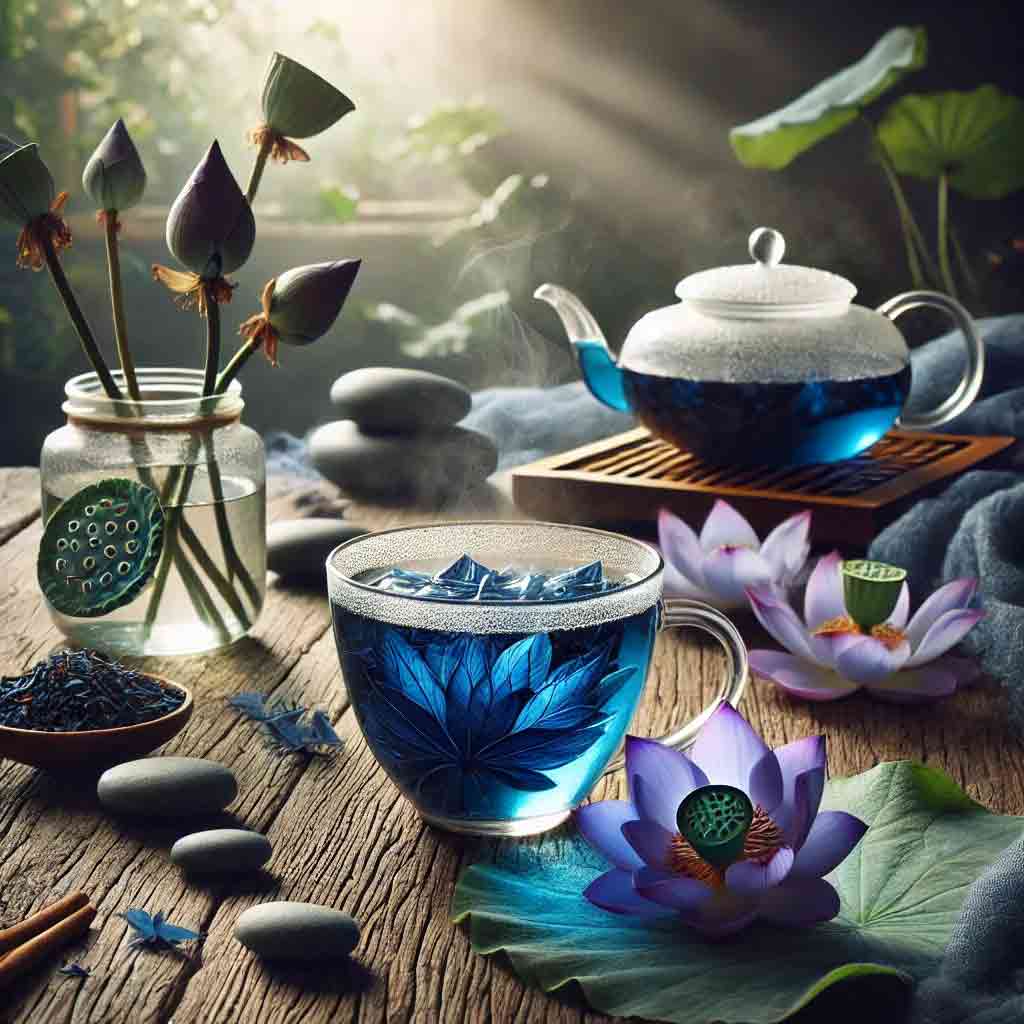
Stress has become a defining feature of modern professional and personal life. In high-performance environments, constant digital exposure, demanding schedules, and mental overload create a persistent state of tension that affects focus, emotional balance, and overall productivity. As organizations and individuals increasingly prioritize sustainable performance, natural approaches to stress support are gaining renewed attention. Blue lotus tea, derived from the ancient aquatic flower Nymphaea caerulea, has emerged as a refined botanical option associated with calm, clarity, and emotional equilibrium.
Unlike synthetic stimulants or harsh relaxants, blue lotus tea occupies a nuanced space. It is traditionally valued for its gentle, balancing properties rather than abrupt effects. This makes it especially relevant for professionals, entrepreneurs, and wellness-focused consumers seeking a composed mental state without compromising alertness or cognitive control.
The Historical Significance of Blue Lotus in Stress Management
Blue Lotus in Ancient Wellness Traditions
The blue lotus flower holds a distinguished place in ancient Egyptian culture, where it symbolized renewal, tranquility, and elevated awareness. Historical records and artistic depictions show the flower being infused into beverages used during ceremonial, social, and restorative settings. These traditions were not rooted in escapism but in balance, presence, and mindful relaxation.
This historical context reinforces the modern appeal of blue lotus tea as a stress-supporting infusion. Ancient cultures valued it for promoting serenity during times of social interaction and reflection, aligning seamlessly with today’s emphasis on mental well-being and stress moderation.
Cultural Continuity and Modern Relevance
The re-emergence of blue lotus tea in contemporary wellness circles reflects a broader return to time-tested botanical solutions. As consumers become more discerning, there is a clear preference for ingredients with historical credibility and cultural depth. Blue lotus tea embodies this continuity, bridging ancient wisdom with modern stress-management needs.
How Blue Lotus Tea Interacts With the Stress Response
Supporting the Nervous System Naturally
Stress is fundamentally a nervous system response. Blue lotus tea is traditionally associated with gentle nervous system support, helping the body transition from heightened alertness to a more relaxed yet aware state. Rather than suppressing mental activity, it encourages smooth emotional regulation.
Many individuals describe the experience as a soft unwinding of mental tension, making blue lotus tea particularly appealing in evening routines, post-work decompression, or moments requiring calm focus. This characteristic positions it as a botanical ally for stress support rather than a sedative solution.
Promoting Emotional Balance and Mental Ease
Emotional stress often manifests as irritability, restlessness, or mental fatigue. Blue lotus tea is widely associated with promoting emotional steadiness, allowing users to process challenges without becoming overwhelmed. This emotional composure is especially valuable in business environments where clear judgment and interpersonal balance are essential.
By fostering a sense of internal calm, blue lotus tea may help create psychological space between stressors and reactions, supporting thoughtful decision-making and emotional intelligence.
Blue Lotus Tea and Mindful Relaxation
Enhancing Relaxation Without Mental Fog
One of the defining characteristics of blue lotus tea is its reputation for relaxation without heaviness. Unlike substances that dull the senses, it is traditionally valued for maintaining mental clarity while easing tension. This makes it suitable for individuals who need to remain mentally present while reducing stress.
Mindful relaxation is increasingly recognized as a productivity tool rather than a luxury. Blue lotus tea complements practices such as meditation, journaling, and reflective thinking by helping the mind settle into a receptive yet alert state.
Supporting Evening Wind-Down Rituals
Stress often accumulates throughout the day, carrying over into the evening and disrupting rest. Blue lotus tea is commonly incorporated into evening routines to signal a transition from active engagement to restorative calm. This ritualistic use reinforces psychological boundaries between work and rest, an essential factor in long-term stress resilience.
The Role of Blue Lotus Tea in Holistic Stress Support
Integrating Blue Lotus Tea Into a Balanced Lifestyle
Effective stress management is rarely dependent on a single solution. Blue lotus tea fits naturally into a broader wellness framework that includes proper rest, intentional routines, and mindful habits. Its value lies in complementing these elements rather than replacing them.
In professional settings, incorporating calming rituals such as tea preparation and consumption can serve as a powerful anchor point. This intentional pause encourages presence and reduces cognitive overload, reinforcing healthy stress responses over time.
A Botanical Alternative for Stress-Conscious Consumers
As awareness grows around dependency-forming substances and overstimulation, many individuals seek plant-based alternatives that align with long-term well-being. Blue lotus tea appeals to this audience by offering a refined, botanical experience associated with calm and balance rather than extremes.
This positioning makes it particularly relevant for wellness brands, corporate gifting, hospitality environments, and premium lifestyle offerings focused on mental well-being.
Why Blue Lotus Tea Appeals to Professionals and Wellness Brands
A Premium Image Rooted in Tradition and Sophistication
Blue lotus tea carries an inherent sense of elegance and historical prestige. This refined image resonates strongly with professionals who value quality, intentional living, and meaningful self-care practices. Its association with ancient rituals and symbolic depth elevates it beyond ordinary herbal teas.
For brands, this translates into a compelling narrative that combines authenticity, tradition, and modern relevance. Stress reduction is no longer marketed as escape but as strategic self-regulation, a message that aligns perfectly with blue lotus tea.
Supporting Focused Calm in High-Pressure Environments
In high-pressure roles, stress is unavoidable, but its impact can be managed. Blue lotus tea’s reputation for fostering calm focus rather than sedation makes it suitable for executives, creatives, and decision-makers. It supports a composed mental state that encourages clarity under pressure.
This unique balance between relaxation and awareness differentiates blue lotus tea from many conventional stress-support beverages, positioning it as a sophisticated choice for discerning consumers.
The Growing Demand for Natural Stress Support Solutions
Shifting Consumer Preferences Toward Botanical Wellness
The global wellness market is increasingly driven by consumers seeking natural, plant-based solutions for mental and emotional well-being. Blue lotus tea aligns with this trend by offering a botanical option with deep cultural roots and modern applicability.
As stress awareness grows, so does demand for products that support calm without compromising performance. Blue lotus tea meets this demand by offering an experience centered on balance, intentionality, and emotional steadiness.
Long-Term Stress Resilience Through Gentle Support
Sustainable stress management focuses on resilience rather than short-term relief. Blue lotus tea supports this philosophy by encouraging gentle regulation of the stress response over time. Its consistent, non-aggressive nature makes it suitable for regular inclusion in wellness routines.
This long-term perspective appeals to individuals and organizations invested in mental sustainability, making blue lotus tea a relevant and forward-thinking option.
Positioning Blue Lotus Tea as a Strategic Wellness Choice
From Ancient Symbol to Modern Stress Ally
Blue lotus tea’s journey from ancient symbolism to contemporary wellness staple reflects its enduring relevance. Its association with tranquility, clarity, and emotional balance continues to resonate in a world defined by constant stimulation and pressure.
Positioned correctly, blue lotus tea represents more than a beverage. It becomes a strategic tool for stress-aware living, supporting composed performance and mindful relaxation.
A Refined Approach to Stress Reduction
Stress reduction does not require extremes. It requires thoughtful, consistent practices that support the nervous system and emotional well-being. Blue lotus tea embodies this refined approach, offering calm without compromise and relaxation without loss of focus.
Incorporating blue lotus tea into daily or weekly routines signals a commitment to balanced living, making it a powerful ally for those navigating modern stress with intention and clarity.
Frequently Asked Questions
1. What is blue lotus tea and where does it come from?
Blue lotus tea is made from the dried flowers of Nymphaea caerulea, an aquatic plant traditionally used in ancient Egyptian culture. It has a long history of ceremonial and wellness use, particularly for relaxation and emotional balance.
2. How may blue lotus tea support stress reduction?
Blue lotus tea is traditionally associated with promoting calmness and mental ease. It may help support relaxation by encouraging a balanced nervous system response, making it easier to unwind from daily mental and emotional stress without causing drowsiness.
3. Can blue lotus tea be consumed daily for stress support?
Many people choose to incorporate blue lotus tea into their regular wellness routines due to its gentle nature. When used mindfully and in moderation, it is often viewed as a suitable option for ongoing stress-support practices.
4. Does blue lotus tea cause sedation or mental fog?
Blue lotus tea is commonly valued for its ability to promote relaxation while maintaining mental clarity. Unlike stronger calming substances, it is not typically associated with heavy sedation, which makes it appealing for those who want calm focus rather than mental dullness.
5. When is the best time to drink blue lotus tea for stress management?
Blue lotus tea is often enjoyed in the evening or during moments of intentional relaxation, such as after work or before reflective activities. However, some individuals also prefer it during quiet daytime breaks to support composed focus and emotional balance.