
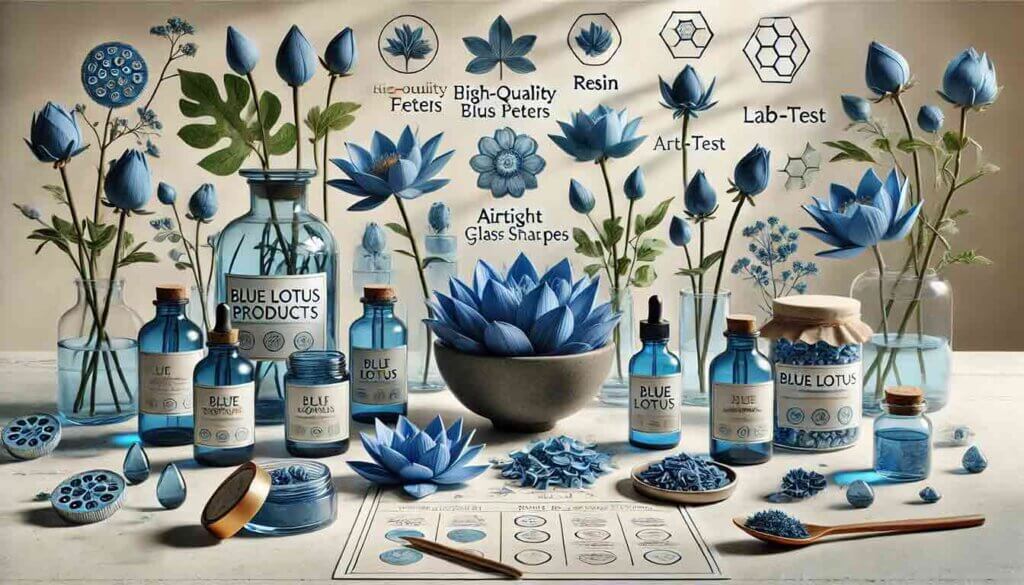
Blue Lotus, botanically known as Nymphaea caerulea, has re-emerged as a highly sought-after botanical in modern wellness, aromatherapy, and lifestyle markets. Its long-standing cultural relevance, paired with contemporary interest in natural products, has created a crowded marketplace where quality varies dramatically. Discerning buyers must navigate this space with clarity, precision, and informed judgment. High-quality Blue Lotus products are defined not by marketing claims but by verifiable sourcing, careful processing, and transparent standards that preserve botanical integrity from harvest to final form.
Botanical Authenticity and Species Verification
Authentic Blue Lotus products begin with correct botanical identification. True Nymphaea caerulea is distinct from visually similar water lilies that are often substituted due to lower cost or limited availability. Reputable producers explicitly state the full botanical name and origin, ensuring there is no ambiguity regarding species. High-quality suppliers invest in proper identification at the cultivation stage and maintain documentation throughout the supply chain. This level of botanical accuracy is essential for consistency, credibility, and consumer trust.
Cultivation Environment and Geographic Origin
The quality of Blue Lotus is profoundly influenced by where and how it is grown. Plants cultivated in clean aquatic environments with balanced mineral content and minimal industrial exposure exhibit superior aromatic and structural characteristics. Traditional growing regions known for ethical harvesting practices often yield flowers with richer pigmentation and intact petal structures. Transparent sellers openly disclose cultivation regions and environmental conditions, signaling a commitment to quality that goes far beyond surface-level branding.
Harvest Timing and Flower Maturity
Blue Lotus flowers must be harvested at precise stages of maturity to preserve their natural profile. Flowers collected too early lack depth, while those harvested too late may lose aromatic complexity. High-quality producers coordinate harvest cycles carefully, often collecting blooms during peak daylight hours when floral integrity is strongest. This attention to timing reflects professional handling standards and directly impacts the final product’s appearance, aroma, and overall sensory quality.
Drying Methods and Preservation Standards
Drying is one of the most critical stages in Blue Lotus processing. Improper drying can degrade color, fragrance, and structural integrity. Premium products are typically air-dried in controlled environments where temperature, airflow, and humidity are monitored to prevent mold and oxidation. This slow, deliberate process preserves the flower’s natural characteristics and ensures longevity without reliance on artificial preservatives. Buyers should look for products that retain vibrant blue or violet hues and a clean, naturally floral aroma.
Processing Techniques and Minimal Handling
Excessive processing diminishes botanical value. High-quality Blue Lotus products undergo minimal handling to protect delicate petals and internal structures. Whether presented as whole flowers, loose petals, or extracts, premium offerings avoid unnecessary grinding or mechanical stress. Clean processing facilities, dedicated equipment, and strict contamination controls further distinguish professional-grade products from mass-market alternatives.
Product Form and Intended Use Alignment
Blue Lotus is available in multiple forms, including whole dried flowers, petals, powders, and infused formats. Quality assessment depends on how well the product form aligns with its intended use. Whole flowers should be visually intact with consistent coloration. Petals should be uniform, free of debris, and gently separated rather than crushed. Extract-based products should specify extraction methods and concentration levels. Alignment between form and function reflects thoughtful product design and authentic expertise.
Packaging That Protects Botanical Integrity
Packaging is not merely aesthetic; it is a functional component of quality preservation. High-quality Blue Lotus products are stored in airtight, light-resistant containers that protect against moisture and UV degradation. Packaging materials should be food-grade where applicable and free from strong odors that could contaminate the botanical. Clear labeling that includes batch information and storage guidance further reinforces professional standards and accountability.
Transparency, Testing, and Documentation
Trustworthy Blue Lotus suppliers prioritize transparency at every level. This includes providing information on sourcing, processing, and quality control practices. While not all markets require laboratory testing, high-quality producers often conduct internal or third-party assessments to verify cleanliness and consistency. Documentation, even when shared selectively, signals operational maturity and a commitment to long-term credibility rather than short-term sales.
Sensory Evaluation and Visual Indicators
Experienced buyers recognize quality through sensory evaluation. Premium Blue Lotus products exhibit a naturally floral, slightly sweet aroma without mustiness or sharpness. Visually, flowers and petals should display consistent coloration without excessive browning or fading. Texture should feel dry yet supple, not brittle or powdery. These indicators collectively reveal how carefully the product has been handled throughout its lifecycle.
Ethical Sourcing and Sustainable Practices
Ethical sourcing is increasingly central to quality perception. Responsible Blue Lotus suppliers engage in sustainable harvesting practices that protect aquatic ecosystems and local communities. This includes avoiding overharvesting, supporting fair labor conditions, and reinvesting in cultivation areas. Ethical practices contribute to product consistency over time and resonate strongly with discerning buyers seeking long-term reliability.
Market Reputation and Brand Consistency
High-quality Blue Lotus products are rarely isolated successes; they are part of a broader pattern of consistency. Brands that prioritize quality demonstrate uniform standards across batches, maintain stable pricing reflective of true value, and communicate with professionalism. Market reputation built over time is a powerful indicator, especially when supported by repeat customers and long-standing distribution relationships.
Avoiding Common Quality Pitfalls
Low-quality Blue Lotus products often reveal themselves through vague descriptions, lack of botanical specificity, and overly aggressive marketing claims. Inconsistent coloration, excessive breakage, and poor packaging are additional red flags. Buyers focused on excellence avoid impulse purchases and instead evaluate products through documented standards and observable characteristics.
Positioning Quality as a Competitive Advantage
In a saturated market, quality is the definitive differentiator. Sellers who invest in superior sourcing, processing, and presentation establish authority that outperforms competitors relying on volume-driven tactics. High-quality Blue Lotus products command trust, encourage repeat engagement, and elevate brand positioning within both retail and wholesale channels.
The Strategic Value of Informed Selection
Selecting high-quality Blue Lotus products is not a passive decision; it is a strategic choice that impacts brand credibility, customer satisfaction, and long-term growth. Informed buyers recognize that true quality is cumulative, built through disciplined practices at every stage of production. By prioritizing authenticity, transparency, and preservation, premium Blue Lotus products consistently stand apart in both perception and performance.
Conclusion: Setting the Standard for Blue Lotus Excellence
The pursuit of high-quality Blue Lotus products demands discernment, knowledge, and an uncompromising commitment to standards. From botanical authenticity and ethical sourcing to precise processing and protective packaging, excellence is achieved through deliberate choices rather than shortcuts. Products that embody these principles not only meet expectations but redefine them, setting a benchmark that elevates the entire market. For those intent on leading rather than following, quality is not optional; it is the foundation of lasting success.
Frequently Asked Questions
Q1: How can I tell if a Blue Lotus product is authentic?
Authentic Blue Lotus products clearly identify the botanical name Nymphaea caerulea and provide transparent information about origin and sourcing. Visual indicators such as natural blue-violet coloration, intact petals, and a clean floral aroma also help confirm authenticity.
Q2: Does the color of Blue Lotus flowers indicate quality?
Yes, color is a strong quality indicator. High-quality Blue Lotus typically retains a vibrant blue or violet hue after proper drying. Excessive browning or fading often signals poor drying methods, old stock, or low-grade material.
Q3: Are whole Blue Lotus flowers better than powders or extracts?
Whole flowers are often preferred for quality assessment because their structure, color, and aroma are easier to evaluate. Powders and extracts can also be high quality, but they should clearly state processing methods and be produced by transparent, reputable suppliers.
Q4: Why does sourcing location matter for Blue Lotus quality?
The aquatic environment and cultivation conditions significantly affect the flower’s integrity. Regions with clean water sources and ethical harvesting practices tend to produce Blue Lotus with better consistency, aroma, and visual appeal.
Q5: How should high-quality Blue Lotus products be stored?
High-quality Blue Lotus should be stored in airtight, light-resistant containers in a cool, dry place. Proper storage preserves aroma, color, and structural integrity, ensuring the product maintains its quality over time.