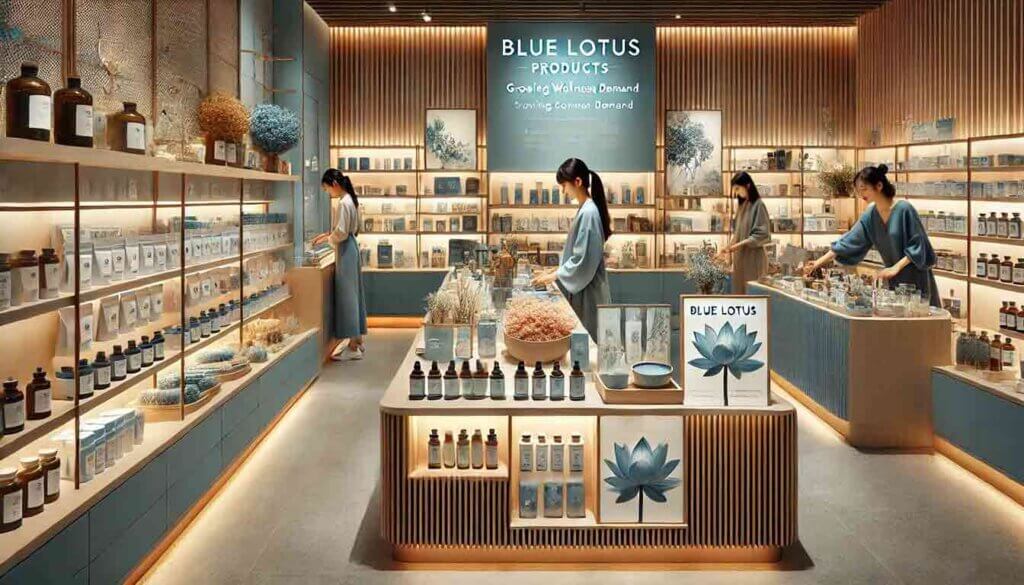
Blue Lotus (Nymphaea caerulea) has experienced a significant resurgence in modern herbalist shops due to its unique historical significance, psychoactive properties, and wellness potential. Historically revered in ancient Egyptian rituals for its mild sedative and euphoric effects, Blue Lotus is now being rediscovered by herbalists, wellness enthusiasts, and boutique tea producers. In contemporary herbalist shops, it is marketed not only as a botanical supplement but also as an aromatic experience that enhances relaxation, meditation, and general well-being.
With consumers increasingly seeking natural alternatives to synthetic supplements, Blue Lotus stands out for its versatility, appearing in forms such as dried petals, teas, tinctures, and infused oils. Its rich violet-blue flowers also provide an aesthetic appeal that complements its functional uses, making it a favorite among modern herbal connoisseurs.
The Rising Popularity of Blue Lotus in Herbal Shops
The growing demand for Blue Lotus is closely tied to modern wellness trends, where consumers prefer plant-based solutions for stress reduction, sleep improvement, and mood enhancement. Market research indicates that herbal teas and natural relaxation aids are experiencing a surge in interest, with Blue Lotus being a key player due to its unique flavor profile and calming properties.
Herbalist shops are responding by curating specialty Blue Lotus blends, often combined with herbs like chamomile, lavender, or valerian root to create synergistic effects. These blends appeal to consumers who value holistic wellness and are looking for therapeutic, non-prescription solutions. The integration of Blue Lotus into modern wellness rituals—including meditation sessions, yoga, and evening relaxation routines—has amplified its visibility and desirability.
Forms of Blue Lotus Available in Herbalist Shops
Dried Flowers and Petals
Dried Blue Lotus petals are the most traditional and popular form found in herbalist shops. These can be used to brew teas or infusions, offering a gentle sedative effect that promotes relaxation without causing drowsiness. The visual appeal of dried petals also allows consumers to enhance the aesthetic of their herbal collections.
Tinctures and Extracts
Blue Lotus tinctures provide a concentrated herbal solution for those seeking faster effects. Often formulated with alcohol or glycerin, these tinctures allow users to precisely measure doses for relaxation, meditation, or mild euphoric experiences. Tinctures have become increasingly popular due to their convenience and potency, especially in professional herbalist shops that cater to experienced herbal users.
Herbal Teas and Infusions
The commercialization of Blue Lotus teas has created an entirely new market segment. Teas are frequently blended with other calming herbs, enhancing both flavor and therapeutic potential. These ready-to-use products appeal to consumers who prefer functional beverages over raw herbal material, reflecting a shift toward convenient, daily wellness routines.
Essential Oils and Aromatherapy Products
While less common, Blue Lotus essential oils are emerging in herbalist shops as premium aromatherapy products. These oils capture the floral essence and are used for massage, meditation, or ambient scenting, targeting consumers seeking multisensory wellness experiences. The integration of Blue Lotus into aromatherapy indicates a broader trend in holistic wellness retail, emphasizing both emotional and physical health benefits.
Consumer Trends Driving Demand
Holistic Health and Natural Alternatives
Modern consumers are increasingly prioritizing holistic health and plant-based remedies, seeking natural alternatives to pharmaceuticals. Blue Lotus appeals to this demographic because of its historical credibility and gentle effects, which provide a perceived safe path to relaxation and mental clarity.
Mindfulness and Meditation Practices
The rise of mindfulness, yoga, and meditation practices has directly influenced the demand for Blue Lotus. Herbalist shops often market it as a mind-enhancing herb, emphasizing its ability to promote calmness, focus, and spiritual connectivity. Consumers who engage in mindful rituals are more likely to explore Blue Lotus as part of a wellness-oriented lifestyle.
Social Media Influence
Social media has played a significant role in popularizing Blue Lotus. Instagram, TikTok, and wellness blogs showcase beautiful tea rituals, herbal blends, and meditation setups featuring Blue Lotus. Visual content emphasizes its vibrant color, aroma, and ceremonial use, driving curiosity and demand in younger demographics.
Marketing Strategies for Blue Lotus in Herbal Shops
Education-Focused Content
Herbalist shops are increasingly leveraging educational content to differentiate their products. By providing detailed usage guides, historical context, and scientific insights, they establish credibility and build consumer trust. Informative content also helps consumers understand the benefits and limitations of Blue Lotus, encouraging responsible and informed use.
Premium Positioning and Packaging
High-quality packaging, often featuring eco-friendly materials and elegant designs, reinforces Blue Lotus’ premium and exotic appeal. Shops are capitalizing on aesthetic presentation, ensuring that the product is perceived not just as an herb but as a luxury wellness item. Attractive packaging enhances gifting potential and positions Blue Lotus as a desirable lifestyle product.
Integration with Lifestyle Products
Some herbalist shops integrate Blue Lotus with candles, meditation tools, or yoga accessories, creating comprehensive wellness packages. This strategy increases perceived value and encourages repeat purchases, as consumers are more likely to invest in a complete mindful living experience rather than a standalone herbal product.
Challenges and Considerations in Retailing Blue Lotus
Despite its growing popularity, Blue Lotus requires careful sourcing and quality control. Variability in active compound concentrations can affect the user experience, making it essential for herbalist shops to maintain consistent quality. Additionally, shops must educate consumers on safe use, especially regarding dosage and interactions with other herbs or medications.
Regulatory considerations also play a role, as Blue Lotus falls under different legal categories in various countries. Retailers need to stay informed and comply with local laws to ensure safe and legal distribution, particularly for international customers.
Conclusion: The Future of Blue Lotus in Modern Herbalism
Blue Lotus has cemented its place in modern herbalist shops due to its historical significance, therapeutic potential, and aesthetic appeal. Driven by consumer interest in holistic wellness, mindfulness practices, and natural alternatives, the herb is likely to see continued growth in demand. Shops that combine high-quality products, informative content, and premium branding are best positioned to capture this evolving market.
As trends evolve, Blue Lotus is expected to become a mainstay in herbal collections, bridging ancient herbal knowledge with modern wellness lifestyles. Its ability to enhance relaxation, meditation, and aesthetic enjoyment ensures that it remains not only a product but also a symbol of mindful living.
Frequently Asked Questions
1. What is Blue Lotus, and what are its benefits?
Blue Lotus (Nymphaea caerulea) is a water lily traditionally used in ancient Egyptian rituals. Modern herbalist shops promote it for mild relaxation, stress reduction, improved sleep, and mood enhancement. It is also valued for its aromatic and visual appeal, making it popular in teas, tinctures, and aromatherapy.
2. How is Blue Lotus consumed?
Blue Lotus is available in several forms, including dried petals for teas, tinctures, extracts, and essential oils. Dried petals can be steeped as a tea, tinctures are taken in measured drops, and essential oils are used in aromatherapy or massage applications. Each form offers different potency levels and effects, allowing users to choose based on preference and lifestyle.
3. Is Blue Lotus safe to use?
When used responsibly, Blue Lotus is generally considered safe for most adults. It is important to follow dosage instructions, especially for tinctures or concentrated extracts. Pregnant or nursing women, and individuals with pre-existing medical conditions, should consult a healthcare professional before using Blue Lotus.
4. What are the main trends driving demand for Blue Lotus?
Blue Lotus demand is fueled by holistic wellness trends, meditation practices, and interest in natural alternatives to synthetic supplements. Its vibrant color, calming effects, and integration into mindfulness rituals and social media wellness content have made it a sought-after herb in modern herbalist shops.
5. How should Blue Lotus be stored for best results?
To maintain potency and freshness, Blue Lotus should be stored in a cool, dark, and dry place, preferably in airtight containers. Avoid exposure to direct sunlight, moisture, or heat, which can degrade its aromatic compounds and reduce effectiveness.