
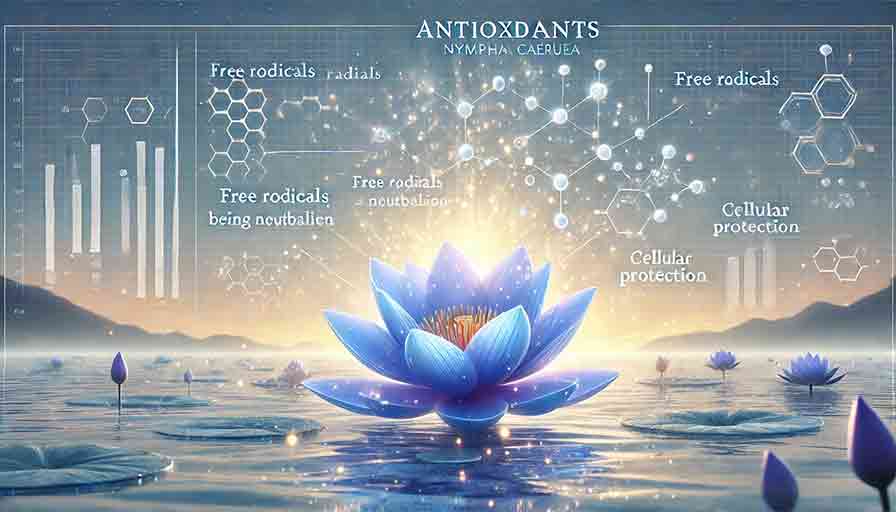
Blue Lotus, scientifically known as Nymphaea caerulea, has long held a respected place in traditional wellness systems, ceremonial practices, and botanical studies. Today, modern interest in Blue Lotus centers on its antioxidant properties, which are increasingly recognized for their role in cellular protection and overall vitality. As scientific curiosity meets historical reverence, Blue Lotus emerges as a compelling subject for those seeking plant-based antioxidant support rooted in both tradition and research.
The antioxidant capacity of Blue Lotus is derived from its naturally occurring phytochemicals, which interact synergistically to neutralize oxidative stress. Oxidative stress occurs when free radicals accumulate faster than the body can counteract them, leading to cellular imbalance. Blue Lotus contributes to restoring this balance through its unique chemical profile, making it a noteworthy botanical in antioxidant-focused discussions.
The Role of Antioxidants in Cellular Protection
Antioxidants are compounds that help stabilize free radicals before they damage healthy cells. Within the body, oxidative stress is associated with environmental exposure, metabolic processes, and lifestyle factors. Plant-based antioxidants are valued because they provide a gentle yet effective means of reinforcing the body’s natural defense mechanisms.
Blue Lotus antioxidants work at a cellular level, supporting membrane integrity and helping preserve normal cellular function. This function aligns Blue Lotus with other antioxidant-rich botanicals, yet its distinctive alkaloids and flavonoids offer a profile that sets it apart. The botanical complexity of Blue Lotus contributes to its growing reputation as a refined and balanced antioxidant source.
Key Antioxidant Compounds Found in Blue Lotus
The antioxidant strength of Blue Lotus is attributed to a combination of flavonoids, phenolic compounds, and alkaloids. Flavonoids are widely studied for their ability to counteract oxidative reactions, while phenolic compounds contribute to long-term cellular resilience. Blue Lotus contains these compounds in a naturally occurring ratio that enhances bioavailability.
Among its alkaloids, aporphine-related compounds play a role in modulating oxidative pathways. These naturally occurring elements contribute not only to antioxidant activity but also to the plant’s broader botanical identity. This multifaceted composition explains why Blue Lotus continues to be researched and valued across cultures and disciplines.
Blue Lotus Antioxidants and Skin Health Support
One of the most discussed applications of Blue Lotus antioxidants relates to skin health and external vitality. Oxidative stress is a known contributor to visible skin aging caused by environmental exposure. Botanical antioxidants assist in maintaining the skin’s natural barrier by reducing oxidative pressure on skin cells.
Blue Lotus extracts are increasingly incorporated into topical formulations because of their antioxidant-rich profile. These antioxidants help support the skin’s natural renewal processes and contribute to a balanced complexion. While Blue Lotus is not positioned as a medical treatment, its antioxidant content makes it an appealing botanical for holistic skincare formulations.
Supporting Cognitive Balance Through Antioxidant Activity
Oxidative stress can also affect neural pathways over time. Antioxidants found in botanicals like Blue Lotus support overall neurological balance by protecting cells from oxidative overload. Blue Lotus has traditionally been associated with mental clarity and calm awareness, qualities that align with antioxidant support at the cellular level.
By assisting in the reduction of oxidative pressure, Blue Lotus antioxidants help preserve normal neural function. This contributes to a broader sense of balance and well-being rather than targeting isolated symptoms. The botanical’s gentle nature makes it particularly relevant for long-term antioxidant strategies focused on cognitive wellness.
Blue Lotus and Oxidative Stress Regulation
The body constantly works to regulate oxidative stress through endogenous antioxidant systems. Blue Lotus complements these systems by providing plant-derived antioxidants that function alongside natural defenses. This supportive relationship helps maintain equilibrium rather than overwhelming the body with excessive stimulation.
Blue Lotus antioxidants are particularly valued for their stability and compatibility with the body’s internal processes. Their gradual action aligns with traditional botanical philosophies that emphasize balance, consistency, and long-term support over aggressive intervention.
Traditional Use and Modern Antioxidant Recognition
Historically, Blue Lotus was revered in ancient civilizations for its symbolic and botanical significance. While ancient cultures did not use modern terminology such as “antioxidants,” their use of Blue Lotus reflected an intuitive understanding of its supportive properties. Modern analysis now confirms that many of these traditional applications align with antioxidant activity.
The transition from ceremonial plant to researched botanical highlights Blue Lotus’s adaptability. Its antioxidant properties bridge historical wisdom and contemporary wellness perspectives, reinforcing its relevance in today’s natural health conversations.
Comparing Blue Lotus to Other Antioxidant Botanicals
While many plants offer antioxidant benefits, Blue Lotus stands out due to its balanced composition and gentle profile. Unlike highly stimulating botanicals, Blue Lotus provides antioxidant support without excessive intensity. This makes it suitable for those seeking refined botanical options that integrate easily into daily wellness routines.
Blue Lotus does not rely on a single compound for its antioxidant strength. Instead, it offers a spectrum of complementary phytochemicals that work together. This holistic structure enhances its appeal in comparison to isolated antioxidant extracts.
Antioxidant Stability and Preparation Methods
The antioxidant properties of Blue Lotus are influenced by preparation methods. Gentle extraction techniques help preserve its sensitive phytochemicals, ensuring antioxidant integrity. Traditional preparations often emphasized low heat and minimal processing, principles that modern botanical practices continue to respect.
When Blue Lotus is prepared thoughtfully, its antioxidants remain bioactive and effective. This highlights the importance of quality sourcing and careful handling when exploring botanical antioxidants. Blue Lotus demonstrates how traditional preparation wisdom aligns seamlessly with modern quality standards.
Scientific Interest in Blue Lotus Antioxidant Research
Scientific attention toward Blue Lotus continues to grow, particularly in studies exploring plant-based antioxidants. Researchers are examining how its unique compounds interact with oxidative pathways and cellular systems. While research is ongoing, existing findings support the plant’s reputation as a meaningful antioxidant source.
This growing body of interest reinforces Blue Lotus’s credibility in the antioxidant category. Its botanical complexity offers opportunities for deeper exploration, positioning it as a plant of both historical importance and scientific relevance.
Long-Term Wellness and Antioxidant Integration
Incorporating antioxidants into a long-term wellness approach requires consistency and balance. Blue Lotus aligns with this philosophy by offering sustained antioxidant support rather than immediate, short-lived effects. Its gentle profile encourages regular use within appropriate frameworks.
Blue Lotus antioxidants contribute to overall cellular harmony, supporting the body’s natural rhythm rather than disrupting it. This makes it particularly suitable for individuals focused on long-term wellness strategies grounded in natural balance.
Why Blue Lotus Antioxidants Continue to Gain Attention
The increasing focus on oxidative stress management has elevated the importance of plant-based antioxidants. Blue Lotus stands out due to its historical credibility, refined composition, and modern scientific interest. Its antioxidants reflect a harmonious blend of tradition and contemporary understanding.
As awareness grows, Blue Lotus continues to attract attention from those seeking botanical solutions that prioritize quality, balance, and depth. Its antioxidant properties are not a trend but a reflection of enduring botanical value.
The Future of Blue Lotus in Antioxidant Wellness
Blue Lotus occupies a unique position in the evolving landscape of antioxidant research and botanical wellness. Its naturally occurring antioxidants support cellular integrity, contribute to holistic balance, and reflect centuries of traditional use. As scientific exploration continues, Blue Lotus remains a symbol of how ancient plants can meet modern wellness expectations.
The antioxidant properties of Blue Lotus are not defined by hype but by consistency, balance, and botanical sophistication. This enduring relevance ensures its continued place in discussions surrounding natural antioxidant support and refined plant-based wellness.
Frequently Asked Questions
Q1: What makes Blue Lotus rich in antioxidants?
Blue Lotus contains naturally occurring flavonoids, phenolic compounds, and alkaloids that work together to neutralize free radicals. This unique phytochemical profile supports cellular protection and helps reduce oxidative stress in a balanced, plant-based way.
Q2: How do the antioxidants in Blue Lotus benefit overall wellness?
The antioxidants in Blue Lotus support the body’s natural defense systems by protecting cells from oxidative damage. This contributes to long-term cellular balance, supports skin vitality, and helps maintain normal cognitive and metabolic function.
Q3: Is Blue Lotus considered a strong antioxidant compared to other botanicals?
Blue Lotus is valued for its well-rounded and gentle antioxidant profile rather than extreme potency. Its strength lies in the synergy of multiple compounds, making it a refined option for sustained antioxidant support without overstimulation.
Q4: Does the preparation method affect Blue Lotus antioxidant levels?
Yes, preparation methods play an important role. Gentle drying, low-heat extraction, and careful handling help preserve the antioxidant compounds in Blue Lotus, ensuring they remain effective and bioactive.
Q5: Is Blue Lotus suitable for long-term antioxidant use?
Blue Lotus is widely regarded as suitable for long-term wellness approaches due to its mild, balanced nature. Its antioxidants support ongoing cellular health when used consistently and responsibly as part of a holistic lifestyle.