
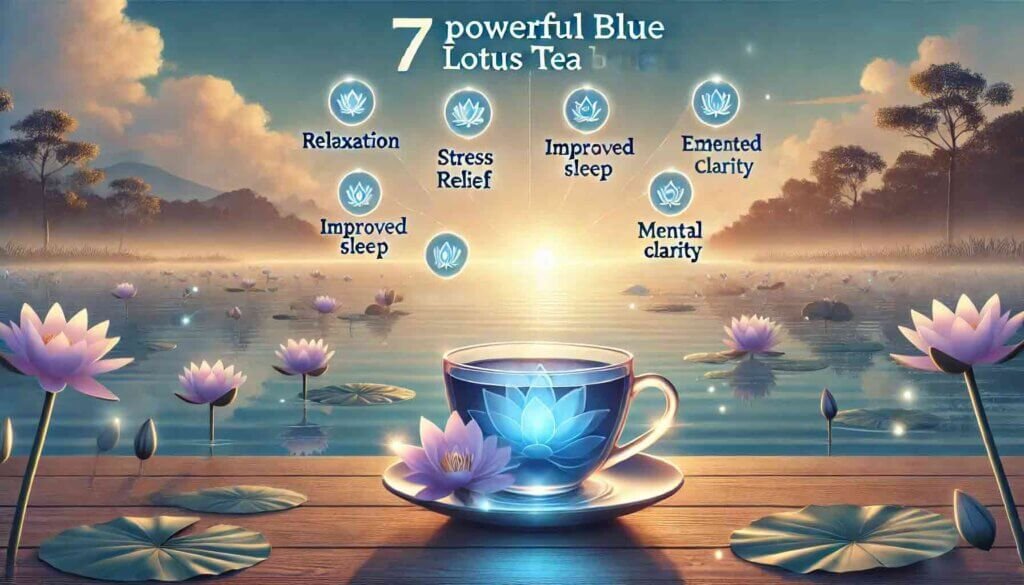
Blue Lotus Tea has emerged as one of the most captivating herbal infusions in the global wellness market. Revered for centuries and rediscovered by modern herbal enthusiasts, this distinctive botanical beverage blends history, spirituality, and contemporary health culture into a single aromatic cup. Derived from the sacred Nymphaea caerulea, Blue Lotus Tea is increasingly sought after for its calming properties, subtle euphoria, and deep cultural roots. As natural mood-enhancing botanicals gain mainstream attention, Blue Lotus Tea stands at the forefront of a movement that values tradition, purity, and intentional living.
What Is Blue Lotus Tea?
Blue Lotus Tea is an herbal infusion prepared from the dried petals or whole flowers of Nymphaea caerulea, commonly known as the Blue Lotus or Egyptian Blue Water Lily. Unlike conventional teas derived from Camellia sinensis, this botanical infusion contains no caffeine and is prized for its gentle psychoactive alkaloids and aromatic compounds.
Botanical Overview of Nymphaea caerulea
The plant Nymphaea caerulea belongs to the Nymphaeaceae family and is native to regions of East Africa, particularly along the Nile River. Its vibrant blue petals and radiant yellow center make it visually striking, while its aquatic nature adds to its symbolic mystique. The flower floats gracefully on calm waters, opening with the morning sun and closing at dusk—a natural rhythm that has contributed to its symbolic association with rebirth, enlightenment, and transcendence.
Botanically, Blue Lotus contains bioactive compounds such as aporphine and nuciferine. These alkaloids interact with dopamine receptors, contributing to the plant’s reported calming and mildly euphoric effects. Its aromatic profile is delicate, floral, and slightly sweet, making it a soothing beverage choice for evening relaxation rituals.
Difference Between Blue Lotus Flower, Extract, and Tea
The term “Blue Lotus” is often used interchangeably across multiple product forms, but distinctions are important. The Blue Lotus flower refers to the raw, dried whole blossom. This is the most traditional form and is commonly used for brewing tea or crafting ceremonial infusions.
Blue Lotus extract, by contrast, is a concentrated preparation derived from the flower’s active compounds. Extracts may be offered in tinctures, resins, or powdered forms and are typically stronger in potency. These preparations are designed for individuals seeking a more concentrated experience.
Blue Lotus Tea specifically refers to the infusion made by steeping the dried petals or whole flower in hot water. This method preserves the botanical’s subtle aromatic compounds and provides a balanced, approachable experience suitable for daily wellness rituals. Unlike extracts, tea offers a gentler onset and a more harmonious effect profile, making it ideal for relaxation and meditation.
Why Blue Lotus Tea Is Trending Today
The resurgence of Blue Lotus Tea aligns with a broader cultural shift toward natural wellness solutions. As consumers increasingly prioritize botanical alternatives to synthetic products, Blue Lotus has gained recognition for its unique combination of historical authenticity and modern functionality.
Rise in Herbal Wellness Culture
Herbal wellness has transitioned from niche interest to mainstream movement. Consumers are exploring adaptogens, nootropics, and plant-based mood enhancers as part of a holistic lifestyle approach. Blue Lotus Tea fits seamlessly into this category, offering a caffeine-free beverage that supports relaxation and mindful living.
The demand for plant-based rituals reflects a growing awareness of stress management and mental balance. Blue Lotus Tea provides a ceremonial pause in fast-paced routines. Its floral aroma and calming properties make it a preferred choice for individuals seeking evening wind-down beverages without relying on alcohol or pharmaceutical sleep aids.
Additionally, social media platforms have amplified interest in rare botanicals. The visual elegance of the Blue Lotus flower combined with its ancient symbolism has contributed to its digital appeal. Wellness influencers frequently highlight it as part of curated self-care rituals, reinforcing its premium botanical status.
Growing Demand for Natural Mood Enhancers
The global market has seen significant growth in natural mood-support products. Consumers are actively searching for alternatives that promote calmness and emotional equilibrium without harsh side effects. Blue Lotus Tea answers this demand by offering a plant-based solution rooted in historical tradition.
Unlike synthetic stimulants or depressants, Blue Lotus provides a subtle effect profile. Many users describe a gentle uplift paired with tranquility—an ideal combination for creative work, journaling, or contemplative practice. Its non-addictive nature further enhances its appeal in a market increasingly concerned with dependency risks.
The tea’s versatility also contributes to its popularity. It can be consumed hot, cold, or infused into herbal blends. Some enthusiasts combine Blue Lotus with chamomile or lavender to deepen relaxation, while others pair it with green tea for a balanced sensory experience.
Blue Lotus Tea and Modern Lifestyle Integration
Blue Lotus Tea integrates seamlessly into contemporary routines. As remote work, digital overload, and high-performance culture intensify stress levels, individuals seek rituals that restore equilibrium. A cup of Blue Lotus Tea functions as both a beverage and a symbolic reset.
In corporate wellness environments, natural teas are increasingly replacing high-caffeine options. Blue Lotus offers clarity without overstimulation, making it suitable for reflective thinking and strategic planning. Its floral fragrance enhances the sensory environment, contributing to a calmer workspace atmosphere.
Evening rituals benefit significantly from Blue Lotus Tea. Unlike caffeinated drinks, it supports restful transitions. Many individuals incorporate it into nightly routines alongside reading, meditation, or gratitude journaling.
Health-Conscious Consumer Appeal
Blue Lotus Tea aligns with health-conscious consumer trends emphasizing natural ingredients, minimal processing, and functional benefits. It contains no artificial additives, no caffeine, and no synthetic flavoring. Its appeal lies in simplicity and purity.
Users frequently report experiences of reduced mental tension, enhanced creativity, and improved sleep readiness. While individual experiences vary, its longstanding historical use strengthens its credibility within the botanical wellness sphere.
The tea also appeals to individuals pursuing alcohol alternatives. Its mild euphoric undertone offers a social beverage option that does not impair cognitive function. As sober-curious movements expand globally, Blue Lotus Tea occupies a valuable niche within alternative lifestyle choices.
The 7 Powerful Blue Lotus Tea Benefits
Blue Lotus Tea, derived from the sacred Nymphaea caerulea, has gained recognition for its multifaceted wellness properties. Traditionally revered and now embraced in modern herbal culture, this botanical infusion delivers a combination of relaxation, clarity, and subtle mood elevation. Below are the seven most powerful benefits associated with Blue Lotus Tea, explained in depth for a comprehensive understanding of its value.
Benefit #1: Promotes Deep Relaxation
One of the most celebrated advantages of Blue Lotus Tea is its ability to promote profound relaxation without sedation. Unlike conventional calming agents that dull cognitive function, Blue Lotus encourages tranquility while preserving mental awareness.
Calming the Nervous System
The alkaloids found in Nymphaea caerulea, particularly aporphine and nuciferine, interact with the body’s neurological pathways in a way that supports parasympathetic nervous system activation. This is the branch responsible for “rest and digest” functions. When activated, heart rate slows, muscle tension eases, and breathing becomes deeper and more rhythmic.
Regular consumption of Blue Lotus Tea may support nervous system regulation by helping the body shift away from chronic fight-or-flight responses. Individuals experiencing high-pressure lifestyles often find that incorporating Blue Lotus into their evening routine facilitates a smoother transition from activity to rest.
Stress Hormone Reduction
Chronic stress elevates cortisol and other stress-related hormones. While Blue Lotus is not a pharmaceutical intervention, its calming properties may help the body naturally reduce stress responses. By fostering relaxation and mental calmness, it indirectly supports hormonal balance associated with stress modulation.
The ritual of preparing and slowly sipping the tea also contributes to a mindful pause—an intentional break that allows the body to recalibrate.
Benefit #2: Supports Positive Mood
Blue Lotus Tea is widely recognized for its gentle mood-enhancing effects. Unlike synthetic stimulants, its influence is subtle yet noticeable.
Dopamine Support
Compounds in Nymphaea caerulea are believed to interact with dopamine receptors. Dopamine plays a central role in motivation, reward perception, and emotional well-being. By gently influencing these pathways, Blue Lotus Tea may promote a light uplifted sensation without overstimulation.
Users frequently describe a soft elevation in mood that feels natural and grounded rather than intense or jittery.
Emotional Balance and Uplift
Emotional fluctuations are common in high-stress environments. Blue Lotus Tea provides a botanical option for promoting equilibrium. The floral aroma alone can influence mood through olfactory pathways linked to emotional centers in the brain.
Consistent use as part of a wellness routine may support a more balanced emotional state, making it a preferred option for those seeking plant-based mood support.
Benefit #3: Enhances Mental Clarity
Clarity without agitation is a rare quality in the world of herbal beverages. Blue Lotus Tea offers calm focus, distinguishing it from caffeine-heavy drinks.
Calm Focus vs. Overstimulation
Caffeine stimulates the central nervous system, often leading to rapid thought patterns and occasional anxiety. Blue Lotus Tea operates differently. It promotes composure while allowing the mind to remain alert.
This makes it particularly suitable for reflective work, creative writing, meditation, and strategic planning. The clarity it offers feels centered and controlled rather than accelerated.
Reduced Mental Fog
Mental fog often stems from stress, poor sleep, or cognitive overload. The soothing properties of Blue Lotus Tea can help quiet intrusive thoughts, allowing clearer mental processing. By calming internal noise, it becomes easier to focus on single tasks and maintain sustained attention.
Benefit #4: Improves Sleep Quality
Sleep disturbances are frequently tied to stress and racing thoughts. Blue Lotus Tea supports sleep readiness without functioning as a heavy sedative.
Gentle Pre-Bed Ritual
Establishing a calming nighttime ritual is essential for quality sleep. Drinking Blue Lotus Tea approximately 30–60 minutes before bedtime may help signal to the body that it is time to unwind.
Its soothing warmth combined with its natural calming compounds encourages a gradual shift into relaxation mode, preparing both mind and body for restorative sleep cycles.
Reduced Nighttime Anxiety
Anxiety is one of the primary contributors to sleep disruption. By promoting relaxation and emotional calmness, Blue Lotus Tea may reduce pre-sleep rumination. Users often report fewer racing thoughts and smoother transitions into sleep.
The result is not forced drowsiness but a gentle readiness for rest.
Benefit #5: Reduces Stress & Anxiety
Blue Lotus Tea is frequently compared to other calming botanicals, yet it maintains its own distinctive profile.
Adaptogenic-Like Properties
Although not classified formally as an adaptogen, Blue Lotus Tea exhibits adaptogenic-like qualities. It appears to support the body’s ability to respond to stress more effectively by encouraging nervous system balance.
Rather than masking symptoms, it fosters resilience through relaxation and mental clarity. This makes it suitable for daily use in managing ongoing stressors.
Comparison to Chamomile and Valerian
Chamomile is widely known for its mild calming properties, while valerian root is often used as a stronger sedative for sleep. Blue Lotus occupies a unique middle ground. It is more mood-elevating than chamomile and gentler than valerian.
Unlike valerian, which can cause grogginess in some individuals, Blue Lotus typically maintains mental sharpness. Compared to chamomile, it may provide a more noticeable sense of emotional uplift alongside relaxation.
Benefit #6: Supports Meditation & Mindfulness
For centuries, Blue Lotus was used in spiritual and ceremonial settings. Today, it continues to support contemplative practices.
Increased Present-Moment Awareness
Meditation requires mental stillness without drowsiness. Blue Lotus Tea facilitates a state conducive to mindfulness by calming mental chatter while preserving alertness.
Many practitioners incorporate it before meditation sessions to deepen focus and enhance internal awareness. Its soothing properties help anchor attention to the present moment.
Light Euphoric Calm
A distinguishing feature of Blue Lotus is its subtle euphoric undertone. This is not an intoxicating sensation but rather a gentle emotional warmth that enhances sensory perception and relaxation.
Such a state supports deeper introspection and spiritual practice without impairing cognitive function. It fosters openness and receptivity—key components of meaningful mindfulness experiences.
Benefit #7: Antioxidant & Wellness Support
Beyond its neurological and emotional benefits, Blue Lotus Tea contributes to overall wellness.
Fighting Oxidative Stress
Oxidative stress occurs when free radicals outnumber antioxidants in the body, contributing to cellular aging. Blue Lotus contains natural antioxidants that may help neutralize these unstable molecules.
While it is not a replacement for a balanced diet rich in fruits and vegetables, incorporating antioxidant-rich herbal teas can support long-term cellular health.
General Immune Support Potential
Antioxidants play a role in maintaining immune resilience. By reducing oxidative stress, Blue Lotus Tea may indirectly support immune function. A calm nervous system also contributes to immune efficiency, as chronic stress is known to weaken immune responses.
When combined with a healthy lifestyle, hydration, and proper nutrition, Blue Lotus Tea becomes part of a broader wellness strategy.
How to Incorporate Blue Lotus into a Daily Wellness Routine
Integrating Blue Lotus Tea into daily life can significantly enhance both mental and physical well-being. Its versatility allows it to support focus, manage stress, and promote restful sleep throughout the day. Thoughtful incorporation of this sacred botanical into morning, afternoon, and evening routines can maximize its benefits and create a sense of balance and intentionality in daily life.
Starting the day with a Morning Clarity Ritual sets a positive tone for productivity and calm focus. Brewing 1–2 teaspoons of dried Blue Lotus petals in hot water for 5–7 minutes creates an aromatic, light blue infusion with a subtle sweetness. Sipping this tea slowly while practicing deep breathing or journaling helps anchor the mind and set intentions for the day ahead. This morning ritual promotes calm focus, reduces mental fog, and encourages a positive emotional outlook, providing a grounded start to a busy day without the overstimulation of caffeine.
During the day, a mid-afternoon pause can help reset the nervous system and relieve accumulated tension. Incorporating Blue Lotus Tea into an Afternoon Stress Reset can be highly effective. Brewing a fresh cup in the mid-afternoon, when energy dips or stress levels rise, allows for a gentle calming experience. Pairing this tea with a short 5–10 minute break—stepping outside, stretching, or practicing a brief mindfulness exercise—enhances its effects. The combination supports stress hormone reduction, emotional balance, and mental clarity, helping individuals regain composure and focus for the remainder of the day.
In the evening, Blue Lotus Tea can serve as the centerpiece of a Wind-Down Routine, signaling to the body and mind that it is time to relax. Brewing the tea 30–60 minutes before bed and sipping it slowly in a serene environment—dimmed lights, light reading, or meditation—can create a calming atmosphere. This evening ritual encourages deep relaxation, reduces nighttime anxiety, and supports improved sleep quality. Incorporating Blue Lotus Tea into this routine helps the body transition smoothly into restorative sleep cycles, providing a natural, gentle way to end the day.
Final Thoughts
Blue Lotus Tea offers a unique combination of relaxation, mental clarity, and subtle mood enhancement. While it is not a pharmaceutical solution, its gentle effects make it an excellent option for individuals seeking natural, plant-based support for stress management, focus, and emotional balance. It provides a calm, centered experience that complements daily life without causing grogginess or overstimulation.
This tea is particularly suited for those who desire a focused and clear mind throughout the day. It can help quiet mental chatter, reduce the distractions of a busy schedule, and support productivity and creativity. For individuals experiencing stress or anxiety, Blue Lotus Tea provides gentle relief, helping the body and mind regain equilibrium naturally. Additionally, it serves as a supportive companion for mindfulness or meditation practices, enhancing present-moment awareness and promoting a sense of inner calm.
Incorporating Blue Lotus Tea into morning, afternoon, and evening routines allows individuals to harness its full range of benefits. From promoting calm focus and emotional balance to supporting mindfulness and restful sleep, this sacred botanical bridges ancient tradition with modern wellness needs, offering a holistic and timeless approach to self-care.
Frequently Asked Questions
1. What is Blue Lotus Tea, and where does it come from?
Blue Lotus Tea is an herbal infusion made from the petals or whole flowers of Nymphaea caerulea, also known as the Egyptian Blue Water Lily. Native to East Africa and the Nile River region, this plant has been used for centuries in spiritual and ceremonial practices. The tea is naturally caffeine-free and contains compounds that promote relaxation, mental clarity, and subtle mood enhancement.
2. What are the main benefits of drinking Blue Lotus Tea?
Blue Lotus Tea offers multiple wellness benefits. It promotes deep relaxation, reduces stress and anxiety, and supports emotional balance. It also enhances mental clarity, aids in mindfulness and meditation, improves sleep quality, and contains antioxidants that contribute to general wellness. Its gentle, calming effects make it ideal for both daily rituals and intentional relaxation practices.
3. How do I prepare Blue Lotus Tea?
To prepare Blue Lotus Tea, brew 1–2 teaspoons of dried Blue Lotus petals in hot water for 5–7 minutes. The tea will have a light blue color and a subtly sweet floral aroma. For optimal results, sip it slowly and consider pairing it with mindful breathing, journaling, or meditation to enhance relaxation and mental clarity. It can be enjoyed morning, afternoon, or evening, depending on your wellness goals.
4. Are there any side effects of Blue Lotus Tea?
Blue Lotus Tea is generally considered safe for most people when consumed in moderate amounts. However, due to its mild psychoactive properties, it is advisable to start with a small dose to see how your body responds. Pregnant or breastfeeding individuals, as well as those taking medications, should consult a healthcare professional before use. Excessive consumption may cause drowsiness or mild lightheadedness.
5. Who can benefit most from Blue Lotus Tea?
Blue Lotus Tea is ideal for anyone seeking a natural, plant-based approach to stress relief, emotional balance, and relaxation. It is particularly beneficial for individuals who want to enhance meditation or mindfulness practices, support evening wind-down routines, improve sleep quality, or reduce mental fog during the day. Its gentle calming and mood-lifting properties make it suitable for a wide range of wellness-focused lifestyles.